
Interview with Molly Arthur: Decolonization as a Spiritual Path
What is a colonized person? How do we overcome the internalized oppression of colonization? How do non-indigenous people understand a connection to their original homeland without being on the land?
"If decolonization has taught us anything, it's this: part of our own healing is to no longer be the willing receptacle of these projections from the colonizer. What then becomes of us when we are emptied of colonial projections? I was reminded by a very wise woman mentor from India that my colonized self is only a sliver in the totality of my Filipino self. Yet, temporarily, it was necessary for the process of decolonization to take up time and space in the psyche in order to purge these projections so that I can come home full circle to the largeness of my own indigenous self.”
"I use the term indigenous to refer to the self that has found its place, its home in the world. Emptied of projections of "inferiority,' "third world," "undeveloped," "uncivilized," "exotic and primitive," and "modernizing," it is the self capable of conjuring one's place and growing roots through the work of imagination, re-framing history, and re-telling the Filipino story that centers our history of resistance, survival, and re-generation."
"Our primary babaylans and babaylan-inspired kapwa are still with us. In land-based tribal communities in the Philippines, they perform their roles as they have done for thousands of years. Karl Gaspar calls them "organic mystics." In the diaspora, he calls them "mystics in exile." Among Filipinos in the homeland and in the diaspora, decolonizing Filipinos claim the babaylan spirit as an inheritance that is available to all who wish to follow an indigenous Filipino spiritual path."

Filipino American National Historical Society 2014 Keynote Speech
Keynote speech at FANHS’s 2014 Conference.

Sonoma State University: Interview with Karen Pennrich—Honoring our Babaylan Ancestors
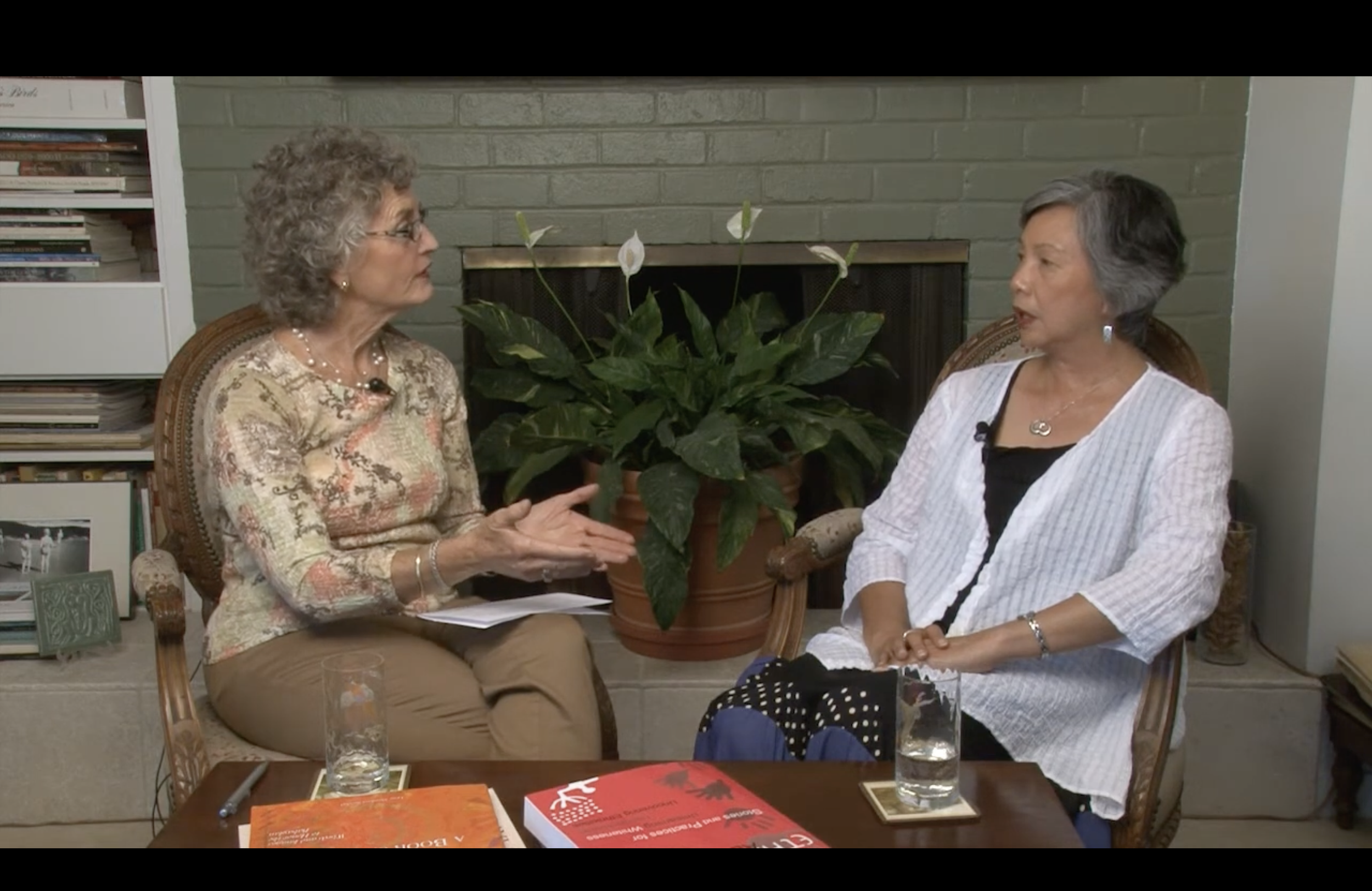
In this 10-minute video documentary, Karen Pennrich, Customer Service Specialist, interviews Prof. Leny Strobel, AMCS Department Chair and Project Director of the Center for Babaylan Studies.
The documentary also includes a photomontage of the First International Babaylan Conference held at SSU on April 17-19, 2010.

CfBS Conference 2010 Video Promotion
Babaylan Conference 2010
April 17 18, 2010 at Sonoma State University, CA
We are passionate about the significance of the babaylan in our communities and world today and would like you to join us in bringing about this very unique and special gathering through your efforts and presence.